

Description
What this transformer does
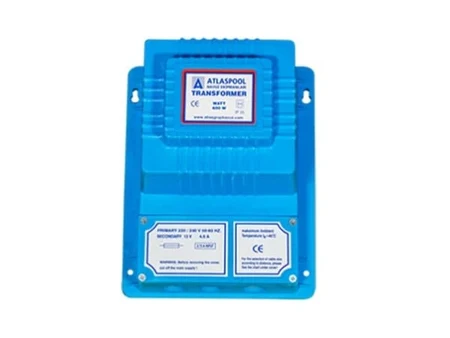
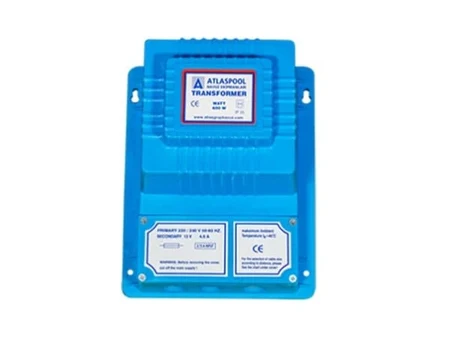
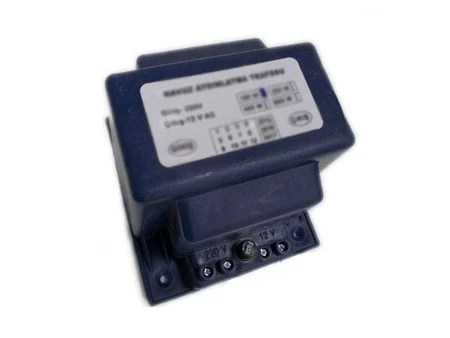
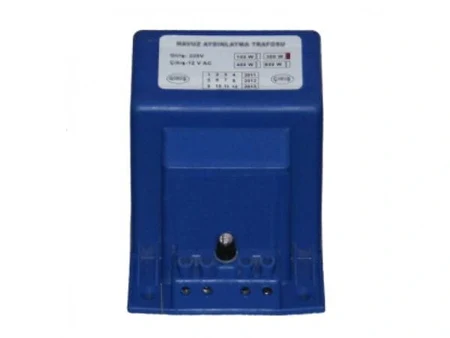
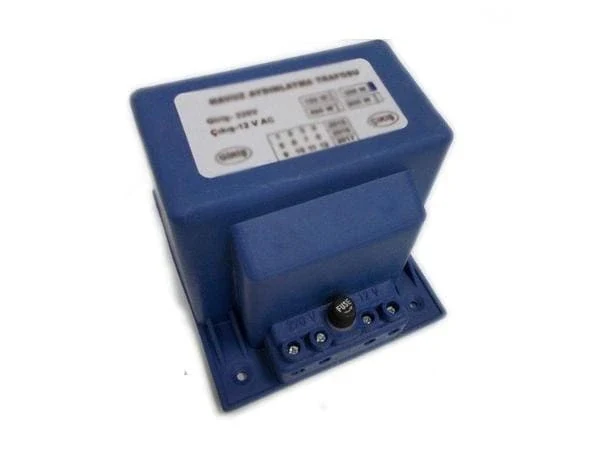
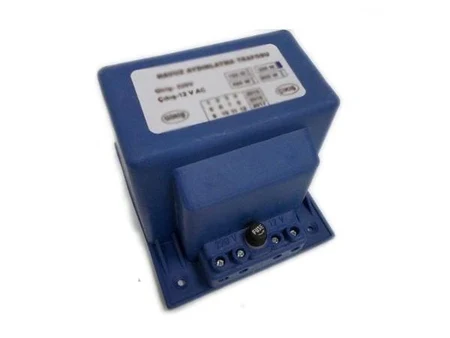
Underwater 12 V lamps must not be plugged straight into the socket – a transformer sits between them and the mains. This 50 W Atlas Pool model converts 220 V to 12 V, has a PVC housing with air cooling and a fuse on the input side. The manufacturer also notes high dielectric strength.
The model at a glance
- Input 220 V, output 12 V.
- PVC housing with connection terminals.
- Air cooling.
- Fuse on the input side.
- The ratings are clearly marked and easy to compare with the more powerful models.
Technical data
| Characteristic | Data |
|---|---|
| Manufacturer catalogue no. | HIA026 |
| Brand and item no. | Atlas Pool / TRA001 |
| Package dimensions | 14 × 13 × 11 cm |
| Weight | 3.40 kg |
| Intended use | underwater lighting for pools |
| Dielectric strength | high |
| Protection | at the 220 V input |
| Recommended ambient temperature | from 0 °C to +45 °C |
| Cooling method | air |
| Housing material | PVC (plastic) |
| Output voltage | 12 V |
| Input voltage | 220 V |
| Rated power | 50 W |
Package contents and extras
- In the package: pool transformer 50 W / 12 V.
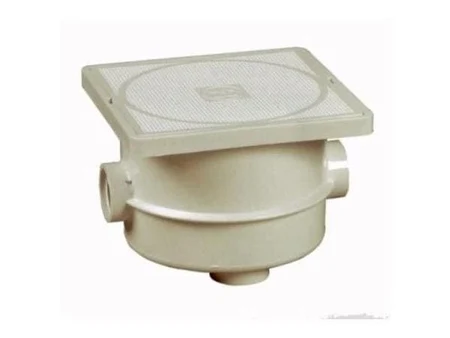
- Optional: junction box (sold separately).
- Optional: cable protection conduit (sold by the metre).
- The cable and the light fittings are specified separately by the electrician, together with a compatibility check.
- Installation and connection must be carried out by a qualified electrician.
How to choose the power
Choose a transformer whose power is equal to or greater than the sum of the lamps you will connect. This is the smallest model in the 50 to 600 W series. The model is enough, for example, for one PAR56 LED lamp rated 30 W.
The 12 V marking alone does not guarantee that the whole system matches – compare the power and supply requirements of the lamps with the transformer data. The manufacturer's range includes 12 V models of 50, 100, 300, 400 and 600 W.
Safety
The device must only be installed and connected by a qualified electrician, with the power switched off. Follow the markings on the unit and its operating specification.
Still wondering which lighting to choose? Also see the article on types of pool lighting.