

Description
Aveiro – glass-ceramic mosaic for wet areas
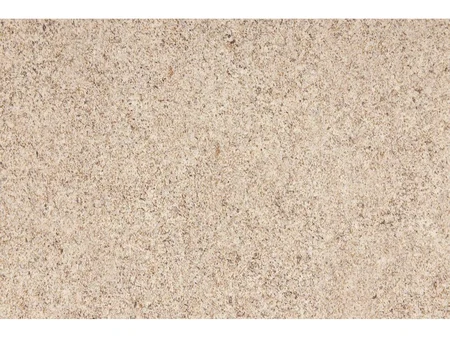
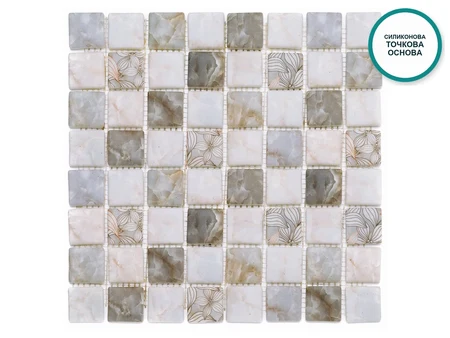
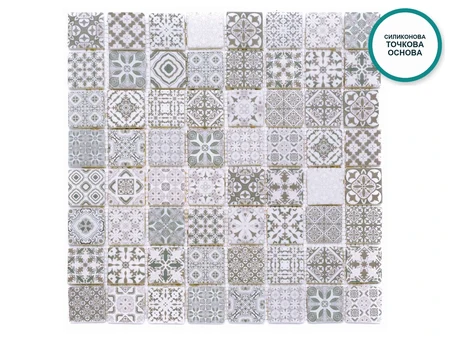
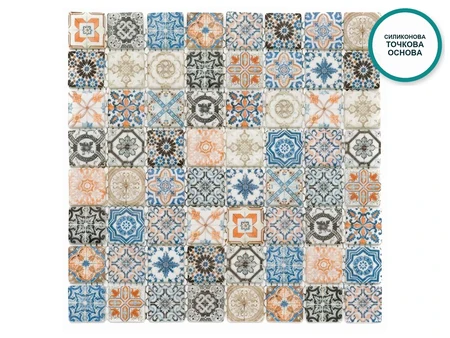
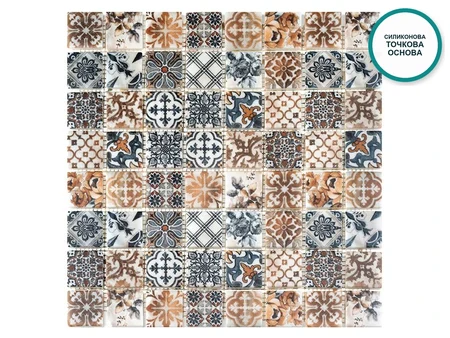
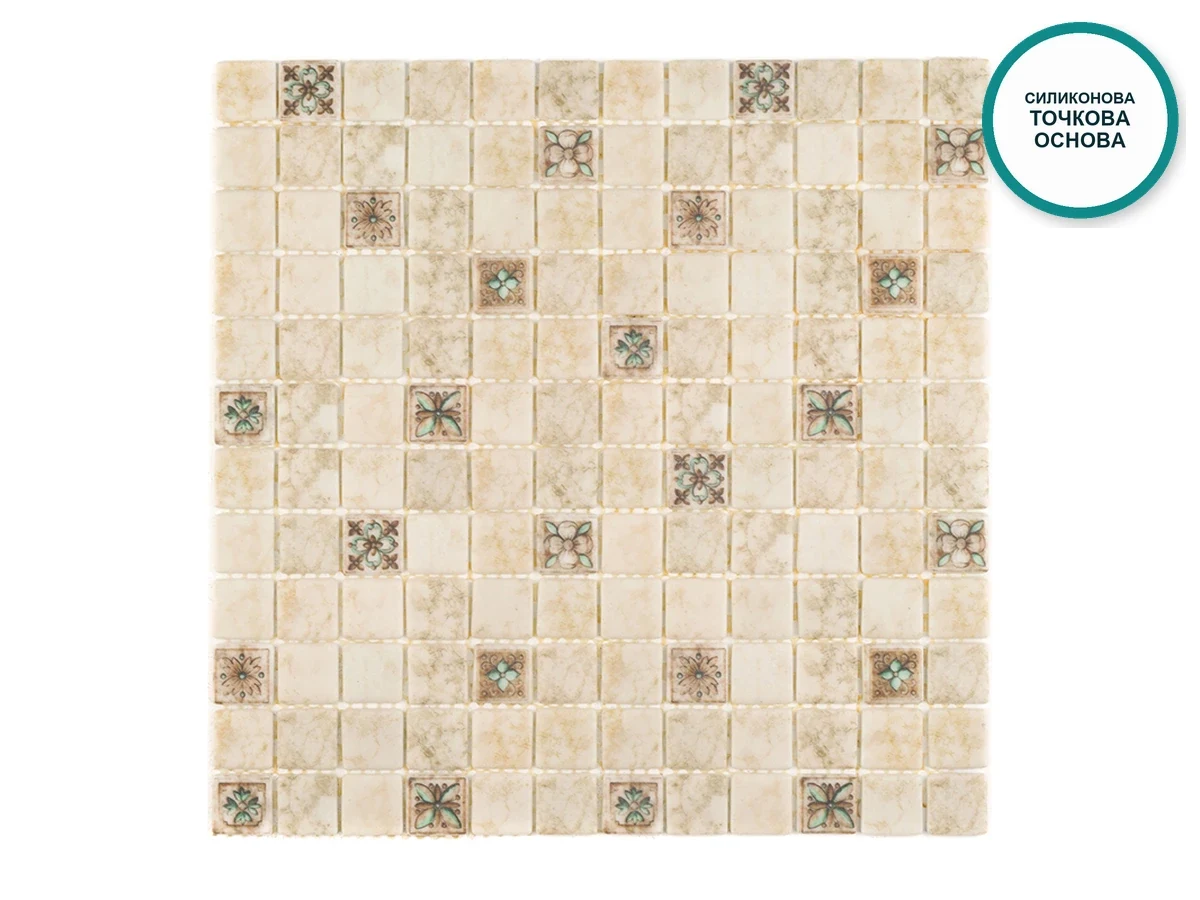
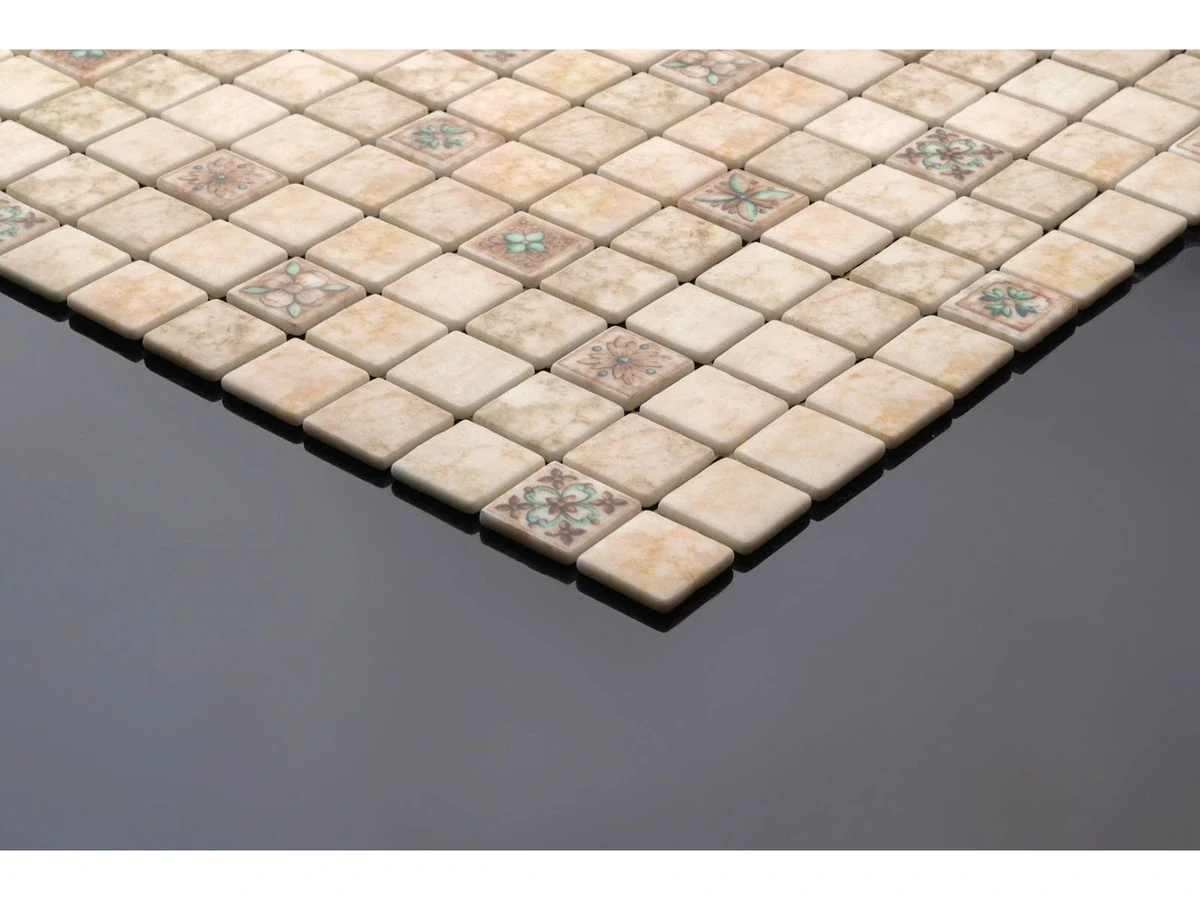
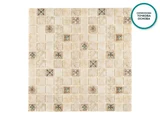
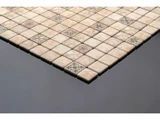
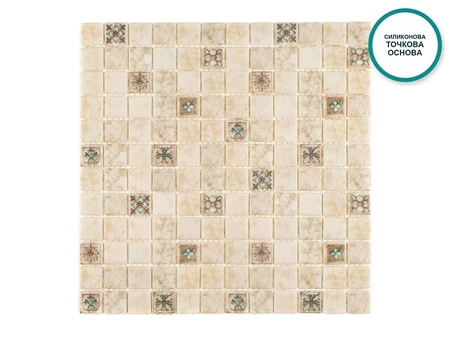
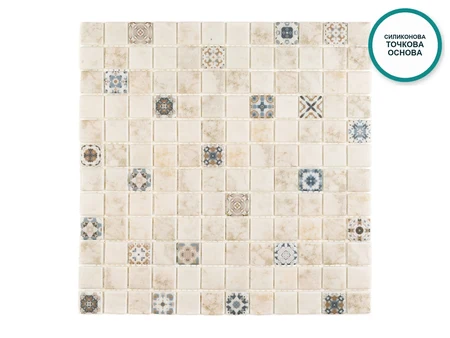
Aveiro is a glass-ceramic mosaic in a warm cream tone, scattered at wide intervals with small ornaments. The details are fine, so the surface stays calm without being dull.
A good choice for a small bathroom, a kitchen backsplash or a room where you do not want a pattern to dominate. The chips are mounted on 317 × 317 mm sheets, and one square metre takes 10 sheets.
What you get
- Non-porous glass – water absorption is up to 0.04%, so the surface does not grow mould and does not absorb odours or stains.
- Colour that lasts – sunlight (ISO 4892) and cleaning agents (class A under ASTM C650) do not change it.
- Frost resistance – the material withstands freezing and thawing (ASTM C1026), so it is also suitable for outdoor areas.
- Strength – flexural strength of 55 N/mm² (EN ISO 10545-4) and a smooth, flawless surface.
- Eco-friendly composition – 100% recycled glass, with no lead, cadmium or other heavy-metal pigments.
Technical specifications
| Model | Aveiro |
|---|---|
| Item code | MOSFBEDJ205 |
| Chip shape | square with printed pattern |
| Chip side | 25 by 25 mm |
| Thickness | 4 mm |
| Quantity per carton | 1 m² |
| Sheets per 1 m² | 10 |
| Sheet size | 317 × 317 mm |
| Material | glass ceramic (100% recycled glass) |
| Sheet backing | silicone (polyurethane) dots |
| Shade | cream with small motifs |
| Joint between sheets | 2 mm |
| Chemical resistance | class A (ASTM C650) |
| Frost resistance | yes (ASTM C1026) |
| Flexural strength | 55 N/mm² |
| Water absorption | up to 0.04% (EN ISO 10545-3) |
The silicone dot backing
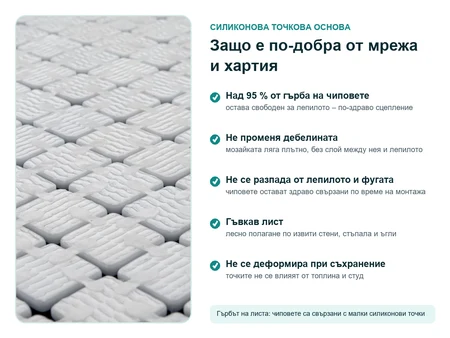
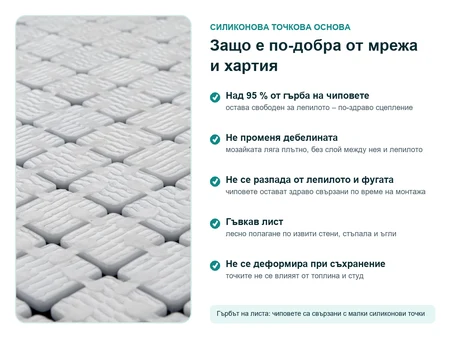
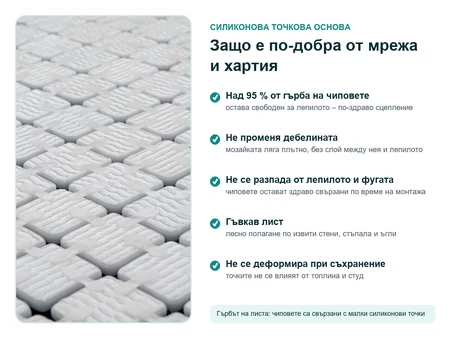
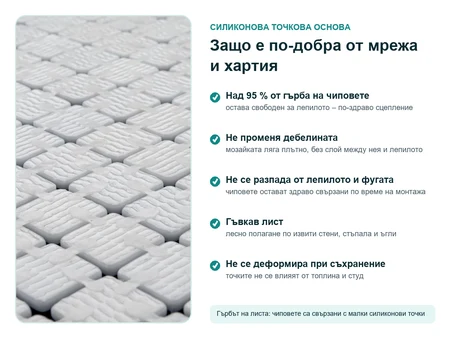
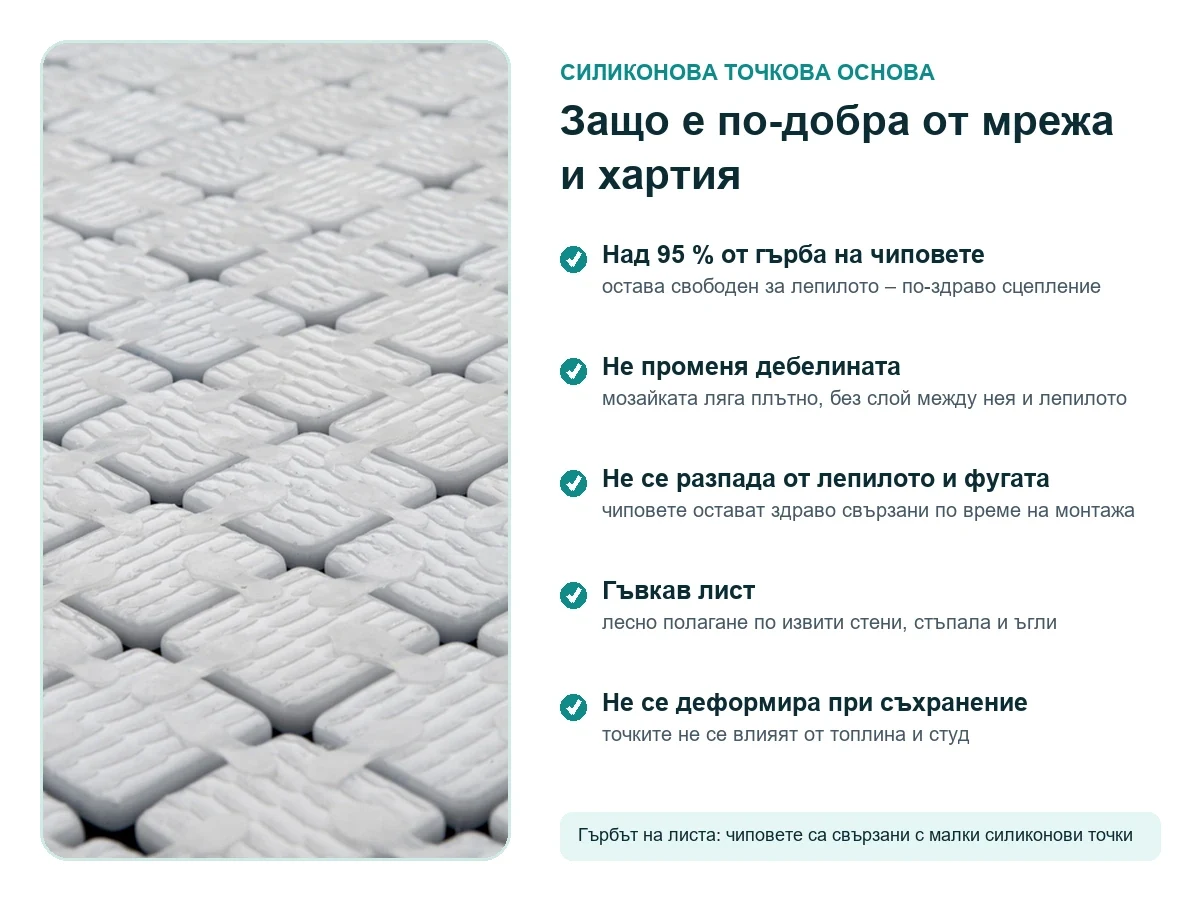
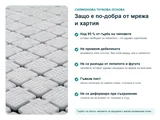
At the back, the chips are joined by small silicone (polyurethane) dots that do not cover the whole back. More than 95% of the back of each chip stays free for the adhesive, which is why the bond is strong. The thickness of the mosaic stays the same, and the backing resists the adhesive and the grout and does not warp in storage.
The flexible sheet easily follows curved walls, steps and corners.
| Backing | Exposed back for adhesive | Visibility of chips when laying | Curves and corners | After laying |
|---|---|---|---|---|
| Silicone dots | over 95% | chips and joints are visible | very easy, the sheet is flexible | nothing to remove |
| Mesh | less, the mesh covers part of the back | chips are visible | easy | nothing to remove |
| Paper | the entire back | chips are hidden under the paper | difficult, the paper tears | the paper is soaked and peeled off |
Applications and use
Aveiro works well in the bathroom and shower cubicle, in the kitchen, in spa and hammam areas and as a decorative panel. A few ideas:
- Accent wall in a bathroom or spa area
- Kitchen backsplash with a light pattern
- Panels and borders in the interior
Choosing the grout
Cream grout preserves the overall look of the wall, while light brown grout subtly outlines the little squares. In shower cubicles and other wet areas, use epoxy or waterproof class C2 grout – it does not absorb moisture and does not darken.
Installation step by step
- Preparing the substrate. It must be dry, sound, free of dust and even – a deviation of up to 2 mm over 2 m. In the shower area, waterproofing is done first.
- Adhesive. A white flexible cement adhesive C2TE S1 is suitable. The glass is slightly translucent, and a grey adhesive would darken the colour.
- Application. Spread the adhesive with a 3–4 mm notched trowel over an area for 2–3 sheets.
- Placing. Press the sheet evenly with a rubber float and keep the same 2 mm joint between the sheets.
- Cutting. In corners and around fittings, cut the silicone dots with a utility knife, and shape individual chips with glass mosaic nippers.
- Grouting. Start after 24 hours. For the shower area, epoxy or waterproof C2 grout is best.
- Cleaning. A damp sponge removes grout residue before it dries; epoxy grout is cleaned immediately with a special cleaner.
- Putting into use. The shower is used only after the grout has fully hardened.
What to prepare
Besides the mosaic itself, you will need: a rubber float and a notched trowel with 3–4 mm teeth, a utility knife, glass nippers, a bucket of clean water and a sponge, as well as a suitable adhesive and grout (see above).
Approximate consumption
For the adhesive, plan on roughly 2 kg per square metre for chips up to 25 mm, 2.5 kg for 40 mm and 3 kg for larger ones. In practice, consumption varies with the evenness and absorbency of the substrate, the chosen adhesive and grout, the size of the trowel, the width and depth of the joint and the skill of the installer, so check the quantities against the technical data sheet of the chosen products.
Laboratory tests
The material has been tested to several international standards. The surface is completely free of defects (EN ISO 10545-2), the chip withstands UV exposure without visible change (ISO 4892) and passes the thermal expansion check under EN ISO 10545. The remaining values – absorption, strength, chemical and frost resistance – are in the specifications table.
Caring for the mosaic
- Clean with a soft cloth or sponge and a neutral cleaning agent.
- Do not use abrasive powders, wire brushes or acidic cleaners on the grout.
- After a shower, run a squeegee over it – no water marks are left on the glass.
Quantities and batch
Aveiro is sold in cartons of 1 m². Order the whole quantity at once and add 5–10% for cutting: that way everything comes from a single production batch and has the same shade.
Questions and answers
Which adhesive does Aveiro need?
A white flexible cement adhesive C2TE S1 – it does not change the colour of the glass.
Which grout is suitable?
In damp rooms, choose epoxy or waterproof grout. Pick its colour following the advice in the grout section above.
Can it be laid over old tiles?
Yes, if they are sound, clean and degreased, and have first been primed with a suitable primer.
Is it suitable for a pool with chlorine and salt water?
The mosaic is intended for walls and wet areas, and the glass does not react with cleaning agents.
Colour on screen and in real life
The colour of glass changes with its surroundings, so the mosaic may look different on site from the photos. What affects it:
- the screen – brightness and type of the monitor, phone or tablet;
- the lighting – sun, overcast sky, artificial light, time of day;
- the viewing angle, because glass reflects light differently;
- the water in the pool – depth, clarity and the reflection of the sky make the colour richer and bluer;
- the grout, the adhesive and the size of the tiled area;
- the surrounding colours – borders, floors, walls and greenery nearby;
- the batch it was produced in – between different batches the shade may differ slightly;
- the natural differences between individual chips in mixes and in glass with an effect.
The pool and room visualisations shown are illustrative and do not guarantee an exact result.
See also: Wellness, Pools and Equipment, Cladding and Paving, Pools, Pool Chemicals, Pool Accessories.